
A quality paint job starts long before the first brushstroke of color. While selecting the perfect hue is exciting, the real foundation of a successful finish lies in the tools used during application. Whether you are refreshing a single room or tackling a larger renovation, having dependable painting equipment can make the process smoother, faster, and more satisfying. The right gear helps ensure even coverage, sharper edges, and a professional look that lasts.
For both beginners and experienced DIYers, investing in the appropriate painting gear transforms a daunting task into an achievable one. Rather than struggling with mismatched or worn-out equipment, proper selection improves control, reduces mistakes, and minimizes frustration throughout the project.
Why Tool Selection Matters
Painting may seem straightforward, but applying coatings evenly and without streaks or splatters requires equipment designed for specific tasks. Brushes, rollers, trays, and accessories each serve different purposes. Choosing the wrong type or size can lead to uneven finishes, drips, or unnecessary effort.
The right tools help manage paint flow, maintain consistent application, and support clean lines around trim and corners. Investing time in selecting equipment suited to the surface and paint type pays off with smoother results and less rework.
Good tools provide better control and accuracy.
Understanding Different Types of Painting Equipment
Painting tools come in a variety of shapes and sizes, each designed to handle particular aspects of the job:
-
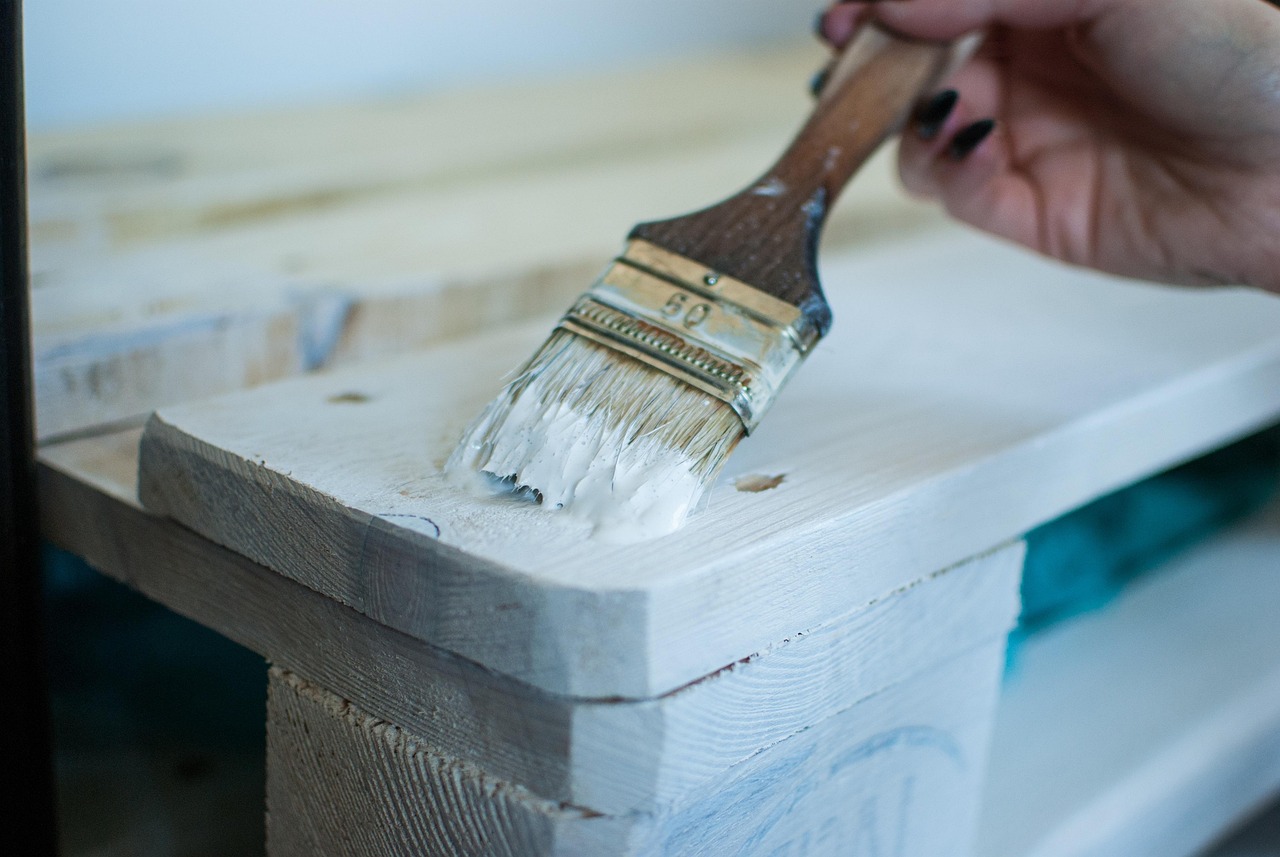
Brushes – Ideal for cutting in edges, trim, and detailed areas where precision matters most. Different bristle types help handle oil-based or water-based paints.
-
Rollers – Best for covering large, flat surfaces quickly. The nap length matters depending on the texture of the wall or ceiling.
-
Trays and Buckets – Help distribute paint evenly onto rollers and keep tools accessible and organized.
-
Extensions and Handles – Improve reach and reduce strain when working on high walls or ceilings.
Using this combination allows painters to adjust their approach as needed and achieve consistent results across varied surfaces.
Different tools contribute to different parts of the painting process.
Improving Coverage and Finish Quality
Coverage consistency is critical for a clean, professional appearance. Proper tools help spread paint evenly, reducing the likelihood of thin spots, buildup, or streaks. Rollers, in particular, distribute paint efficiently over wide surfaces, while brushes handle corners and detailed trims with care.
Better coverage also reduces the total amount of paint needed. When paint goes on smoothly and evenly, fewer coats are required to achieve the desired finish, saving both time and materials.
Efficient tools contribute to a more economical and polished outcome.
Precision Around Edges and Details
Edges, trim, and corners often define the visual success of a paint job. Freehand brushing without the right equipment can lead to uneven lines or accidental overlap onto adjacent surfaces. Properly sized brushes with comfortable grips improve steadiness and reduce the chance of mistakes.
Painting tools designed for precision allow users to work confidently around windows, door frames, and baseboards. This attention to detail elevates the overall appearance of the project and helps avoid unnecessary touch-ups later.
Precision tools deliver sharper results.
Reducing Waste and Rework
Paint waste often occurs when it drips, splatters, or is applied unevenly. Quality tools help regulate paint uptake and release, minimizing spills and splatter. Rollers with good nap retention hold the right amount of paint and release it evenly with each pass.
Too much paint on a brush or roller often leads to drips and dribbles, while too little results in dry patches that require additional coats. Proper tools strike the right balance, reducing the need for repeat effort.
Efficient tools contribute to cleaner, more effective work.
Comfort, Ergonomics, and Extended Use
Painting can be a physically demanding task, especially during larger projects. Tools designed with ergonomic features, balanced weight, and comfortable grips help reduce strain on hands, wrists, and arms. This matters when painting for extended periods.
Less fatigue translates into more consistent application and fewer mistakes caused by loss of control. Comfortable equipment supports steady progress and makes the process more enjoyable overall.
Comfort enhances focus and precision.
Adapting Tools to Different Surfaces
Different surfaces require different approaches. Smooth walls, textured finishes, and ceiling surfaces all interact differently with paint. A roller with a thicker nap may be needed for textured walls, while a smoother roller works best on flat surfaces.
Understanding how painting tools interact with various surfaces helps users choose the right tool for each task. This adaptability ensures the equipment works with the surface, not against it.
Matching tools to surfaces improves final results.
Maintenance and Longevity of Equipment
Proper care of equipment ensures dependable performance for future projects. After use, brushes and rollers should be cleaned thoroughly to prevent stiff bristles or dried paint buildup. Trays and buckets should be rinsed and stored in dry areas.
Well-maintained tools perform more consistently and last longer, reducing the need for frequent replacements. Storage in protective cases or hangers further preserves equipment integrity.
Care protects your investment.
Supporting Both DIY and Professional Painting
Painting tools are used by a wide range of people—from casual DIY enthusiasts to professional painters. Beginners benefit from equipment that is easy to use and forgiving of small mistakes, while professionals require durable tools that perform day after day under heavy use.
Quality tools support both ends of this spectrum by offering reliable performance, adaptability, and comfort. Investing in dependable gear contributes to better results regardless of experience level.
Reliable tools support confidence at every skill level.
Trusted Access to Reliable Painting Equipment
Having access to dependable equipment makes planning and execution more manageable. Retailers like Irvine Carpet One carry a wide selection of painting tools designed to suit various surfaces, paint types, and project sizes.
Knowing that quality gear is available when needed simplifies preparation and keeps projects moving forward without unnecessary delays.
Reliable access supports smoother workflows.
The Importance of Painting Tools in Project Performance
Painting Tools play a vital role in every stage of the painting process. From preparation and cutting in to broad coverage and final details, the right equipment helps users deliver consistent, professional-quality results.
When painting tools are chosen thoughtfully and maintained properly, they improve efficiency, enhance comfort, and reduce waste. They are not just accessories—they are essential contributors to successful outcomes.
Final Thoughts
A good paint job is the result of careful planning, the right products, and appropriate equipment. Choosing the right painting tools improves coverage, enhances precision, and makes the overall process more efficient and enjoyable. Whether tackling a weekend refresh or a major renovation, thoughtful selection of tools paves the way for superior results that last.
With dependable painting tools and proper care, projects feel more manageable, and results feel more professional.